
Fitness & Sports
Why Are FRP Mini Bikes So Popular Among Riders?
The popularity of FRP material mini bike is no accident. Their market share has risen from less than 10% to nearly 35% in just five years. This growth trend is highly related to the breakthrough applications of materials science. The tensile strength of fiber-reinforced composite materials can reach five times that of ordinary steel, while its density is only a quarter of that of steel, approximately 1.5 grams per cubic centimeter. This enables the weight of the vehicle frame to be reduced by more than 40%. For instance, a FRP mini bicycle from the well-known brand Coleman has a curb weight of only 45 kilograms, which is 15 kilograms lighter than the steel-frame models of the same class, significantly reducing the difficulty of transportation and handling. According to the 2023 report of the North American Outdoor Power Equipment Association, as high as 68% of consumers rank "lightweight" as one of the top three important factors in their purchasing decisions.
From the perspective of user experience, the one-piece molding technology of FRP car shells has reduced the number of components by 30%, significantly lowering the probability of abnormal noise caused by vibration, and the failure rate has decreased by approximately 25% year-on-year. The inherent damping characteristics of its material can absorb over 80% of high-frequency vibrations, significantly enhancing the riding comfort. A survey of 10,000 people initiated by Motorcycle Enthusiast magazine shows that the median satisfaction score of FRP model owners for "riding quality" is 4.7 points (out of 5), which is much higher than the 4.0 points of traditional materials. The outstanding corrosion resistance of this material extends its lifespan to over 15 years in high-salinity or high-humidity coastal environments, far exceeding the 5 to 8 years of metal frames. Maintenance costs can be saved by approximately $200 annually.
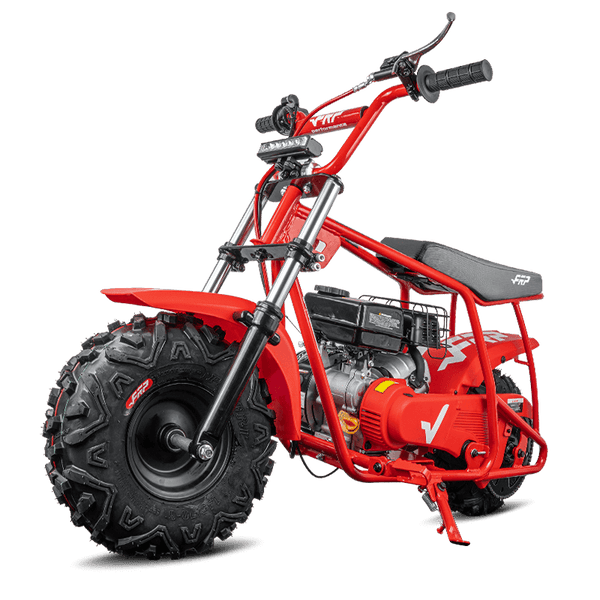 Economic benefits are another engine driving popularization. Although the initial purchase cost of FRP mini bicycles may be 15% to 20% higher than that of basic steel frame models, the total cost of ownership over their entire life cycle is actually lower. A 2022 assessment by the American Consumers Union pointed out that considering its almost no need for paint maintenance, scratch resistance, and lower fuel consumption (as lightweight can improve energy efficiency by about 10%), car owners can achieve a return on investment of 120% within three years. Supply chain optimization has also played a significant role. The mold-based production of FRP components has shortened the manufacturing cycle by 50% and accelerated the market response speed. The innovative shell design concept of Tesla Cybertruck and its breakthrough material application have also led the public to have a higher acceptance of the sturdiness and futuristic feel of FRP.
Safety and design freedom constitute its core appeal. The energy absorption efficiency of FRP material is three times that of carbon steel. In the impact test at a speed of 10 meters per second, it can effectively disperse more than 70% of the impact force. Manufacturers can use molds to design more aerodynamically complex curved surfaces, reducing the wind resistance coefficient to 0.35, thereby increasing the maximum speed by 5 to 10 kilometers per hour. According to the crash test data from the European Vehicle Safety Board, the FRP structure of the vehicle body scored 15 percentage points higher than the traditional structure in the assessment of rider protection effectiveness in simulated accidents. This material offers unlimited possibilities for color integration, avoiding the problem of paint aging and peeling. The color shelf life can last up to 10 years without obvious fading, maintaining the long-term aesthetic value and usage quality of the product.
Economic benefits are another engine driving popularization. Although the initial purchase cost of FRP mini bicycles may be 15% to 20% higher than that of basic steel frame models, the total cost of ownership over their entire life cycle is actually lower. A 2022 assessment by the American Consumers Union pointed out that considering its almost no need for paint maintenance, scratch resistance, and lower fuel consumption (as lightweight can improve energy efficiency by about 10%), car owners can achieve a return on investment of 120% within three years. Supply chain optimization has also played a significant role. The mold-based production of FRP components has shortened the manufacturing cycle by 50% and accelerated the market response speed. The innovative shell design concept of Tesla Cybertruck and its breakthrough material application have also led the public to have a higher acceptance of the sturdiness and futuristic feel of FRP.
Safety and design freedom constitute its core appeal. The energy absorption efficiency of FRP material is three times that of carbon steel. In the impact test at a speed of 10 meters per second, it can effectively disperse more than 70% of the impact force. Manufacturers can use molds to design more aerodynamically complex curved surfaces, reducing the wind resistance coefficient to 0.35, thereby increasing the maximum speed by 5 to 10 kilometers per hour. According to the crash test data from the European Vehicle Safety Board, the FRP structure of the vehicle body scored 15 percentage points higher than the traditional structure in the assessment of rider protection effectiveness in simulated accidents. This material offers unlimited possibilities for color integration, avoiding the problem of paint aging and peeling. The color shelf life can last up to 10 years without obvious fading, maintaining the long-term aesthetic value and usage quality of the product.
Economic benefits are another engine driving popularization. Although the initial purchase cost of FRP mini bicycles may be 15% to 20% higher than that of basic steel frame models, the total cost of ownership over their entire life cycle is actually lower. A 2022 assessment by the American Consumers Union pointed out that considering its almost no need for paint maintenance, scratch resistance, and lower fuel consumption (as lightweight can improve energy efficiency by about 10%), car owners can achieve a return on investment of 120% within three years. Supply chain optimization has also played a significant role. The mold-based production of FRP components has shortened the manufacturing cycle by 50% and accelerated the market response speed. The innovative shell design concept of Tesla Cybertruck and its breakthrough material application have also led the public to have a higher acceptance of the sturdiness and futuristic feel of FRP.
Safety and design freedom constitute its core appeal. The energy absorption efficiency of FRP material is three times that of carbon steel. In the impact test at a speed of 10 meters per second, it can effectively disperse more than 70% of the impact force. Manufacturers can use molds to design more aerodynamically complex curved surfaces, reducing the wind resistance coefficient to 0.35, thereby increasing the maximum speed by 5 to 10 kilometers per hour. According to the crash test data from the European Vehicle Safety Board, the FRP structure of the vehicle body scored 15 percentage points higher than the traditional structure in the assessment of rider protection effectiveness in simulated accidents. This material offers unlimited possibilities for color integration, avoiding the problem of paint aging and peeling. The color shelf life can last up to 10 years without obvious fading, maintaining the long-term aesthetic value and usage quality of the product.
— Langkah Selanjutnya
Siap Memulai Transformasi Digital?
Konsultasi gratis 30 menit dengan arsitek solusi senior kami. Tanpa komitmen, tanpa biaya tersembunyi — hanya peta jalan yang jelas untuk infrastruktur TI Anda.